Using AI to Support the BWC
The recent announcement that artificial intelligence (AI) will be employed to surveille and support compliance with the Biological Weapons Convention (BWC) reflects both the capabilities for data collection, integration and analysis that such systems enable, and the iterative integration of AI within biodefense ecologies and operations. As we have noted, such uses of AI could include the following:
1. Genomic Surveillance and Detection of Anomalous Bioengineering
Biosurveillance need not be solely focused on patient data as metrics of disease incidence and prevalence, as continuous environmental monitoring represents an additional methods of sureveying biologicals. For example, during the COVID pandemic, (patient data agnostic) biosurveillance signatures were gathered from wastewater, offering novel means to surveil titers of circulating virus and disease hotspots. AI can be used to establish baselines and define deviations in complex environmental data to better depict patterns and trends in human ecologies on a variety of scales. Additionally, deep-learning models trained on genomic signatures can distinguish naturally occurring organisms from engineered entities by identifying codon irregularities, unusual promoter sequences, and/or genetic architectures that are inconsistent with known evolutionary patterns. These methods afford rapid assessment and triage of suspicious samples and can fortify detection and attribution analytics used for BWC compliance oversight.
2. Big Data Monitoring of Global Research and Supply Chains
AI systems may increasingly assist with both molecular sequence and customer screening across the DNA synthesis industry. AI systems can rake extensive scientific, commercial, and logistical datasets to highlight patterns of purchases of high-throughput DNA synthesis equipment, spikes in acquisitions of growth media, and collaborations between researchers and known biological risk hubs that are consistent with illicit biotechnological activity. The scale and speed of these analytic capacities surpass any human-driven process.
3. Early Warning via Biosurveillance Integration
Multimodal AI platforms can rapidly assimilate, synthesize and evaluate research, clinical, environmental, and epidemiological data to identify salient and sentinel outbreak signatures. This enables discrimination between naturally occurring epidemics and patterns suggestive of incidental or deliberate release of pathogens, thereby strengthening the enforcement architecture of the BWC by providing actionable evidence for further investigation and more expedient response.
Taken together, these capabilities can surely reinforce deterrence by increasing the probability that violations, and violators will be detected. However, we posit that they also make evident the methods by which violations are typically revealed and detected; vital information that can be exploited by peer-competitors and adversaries.
The Dual-Use Paradox: Weaponizing AI to Undermine the BWC
Just as AI can be used to enhance detection, it can also be employed to facilitate the design, concealment, exchange and deployment of biological agents in ways that could subvert current monitoring and enforcement systems and capabilities. We believe that a number of possible applications toward such use warrant particular attention.
1. AI-Assisted Design of Novel Bioagents
Generative AI models that have been developed to define and design therapeutic biological and chemical substances can be repurposed to develop harmful agents with phenotypic or genomic characteristics that are not currently identified and/or listed on BWC registers, and which may not be assessable by extant detection systems. Examples include engineered organisms that mimic natural pathogens, minimally modified agents that evoke maximal disruptive effects; and immunologically covert agents, each and all of which can impede surveillance and recognition, extend incubation periods, and/or initially appear as benign disease profiles, thereby complicating detection, defense, and attribution. In short, adversaries can employ AI to “design with noise” to develop agents that lack clear threat signatures and blend into a local, regional or global bio-ecology.
2. AI-assisted biotechnology automation
AI is increasingly being employed to improve automation of biotechnology laboratories in two dimensions. First, AI can facilitate more precise operation of sophisticated laboratory equipment; and second, AI can be used to assist in the function of “cloud laboratories,” wherein a laboratory technician can remotely direct experimental analysis from their computer, thereby (a) de-limiting resource and workforce scarcities; (b) broadening access to biotechnology and talent across a more diverse set of potential collaborators; and (c) enabling more networked distribution of bioscience and technology in ways that could disperse, diffuse and thus veil illicit activities (which would otherwise be far easier to identify within a single laboratory group).
3. AI Optimization of Production, Storage, and Stabilization
The traditional barriers to weaponization of biological agents (e.g., the complexity of agent stabilization, environmental sensitivity, and production constraints) can be substantively mitigated by AI-based optimization systems. For example, AI can be used for predictive modeling of algorithmically-derived formulation knowledge that once required large-scale wet labs, and encapsulation properties to enhance shelf life, resist heat or ultraviolet (UV) degradation, and survive environmental transport. As well AI can design low profile, portable production systems (e.g., using cell-free platforms, microfluidic biofactories, or engineered yeast) that reduce footprints usually associated with large bioprocessing facilities. Such systems allow “on demand,” site-flexible generation of agents, creating “whack-a-mole,” “pop-up” bioagent production scenarios that complicate oversight and interdiction. AI can also be used to engineer environmental resilience by employing neural network designs that have been trained on environmental data (humidity, thermal variance, pH, aerosolization dynamics) to formulate specific modifications that improve the viability (i.e., durability and potency) of disruptive bioagents under varying conditions of storage, carriage and dissemination.
4. AI for Covert Transport and Deployment Methods
To be sure, the aforementioned capabilities are problematic, yet we opine that perhaps the most concerning dual-use of AI is to design or optimize deployment mechanisms that blur the line between natural biological activity and deliberate attack. We have noted that AI-guided drones, micro-UAVs, or swarming devices can deliver biological payloads with precision, incorporating atmospheric modeling, optimized altitude and wind patterns, and particulate size to achieve maximal target distribution and density.
AI can be used to optimize design of microbial agents and/or gene-drive systems that could remain dormant until triggered by environmental conditions (e.g., temperature change, exogenous chemicals, or ambient lighting) inclusive of those that may be induced by an adversary to initiate pathogenic activity and spread (e.g., optical or other electromagnetic or acoustic signals; chemical prompts, etc.), which further complicate attribution.
Adding to this “fog of engagement” is the ability of AI to (1) accumulate, assimilate and synthesize massive volumes and scopes of epidemiological data to model the dynamics of certain diseases; and from this, (2) design protocols for bioagent dissemination that are similar to natural patterns of disease. Such tactics and strategies could easily challenge early-warning systems and current biosurveillance analytics, to afford a temporal window to optimize multidimensional disruptive, and rippling destructive effects incurred by bioagent spread within a given collective, and/or locale.
As noted above, in brief, AI can additionally be employed to obfuscate scientific and supply chain activity. Nefarious actors could utilize AI to generate “white noise” in the global scientific ecosystem to enable automated generation of benign-seeming preprints, protocols, or datasets that mask illicit research; manipulate procurement patterns to simulate legitimate research cycles and produce false data to mislead anomaly-detection tools and methods. In these ways, the open-source scientific infrastructure that supports and sustains global biotechnology (e.g., the peer-reviewed literature, patents, bioinformatics libraries of sequence databases, AI model libraries, and distributed cloud computation) can be tactically engaged and strategically exploited for maximizing deception and optimal disruptive impact.
Conclusion
AI dramatically enhances the ability to detect violations of the BWC, yet at the same time can empower adversaries to circumvent it. This dual-use paradox underscores a critical reality: the future of threat space will be both computational and biological. Given that current reality, and its future possibilities, the questions for Department of War, intelligence and national security and defense planners are first what can be done to mitigate these risks and threats, and what should be done to do so as to keep pace of rapid developments in science and technology, and yet do so with prudence and probity?
Next week: Implications and Recommendations for Military and National Security Communities… stay tuned.
Disclaimer
The views and opinions expressed in this essay are those of the author, and do not necessarily reflect those of the United States government, Department of War, or the National Defense University.
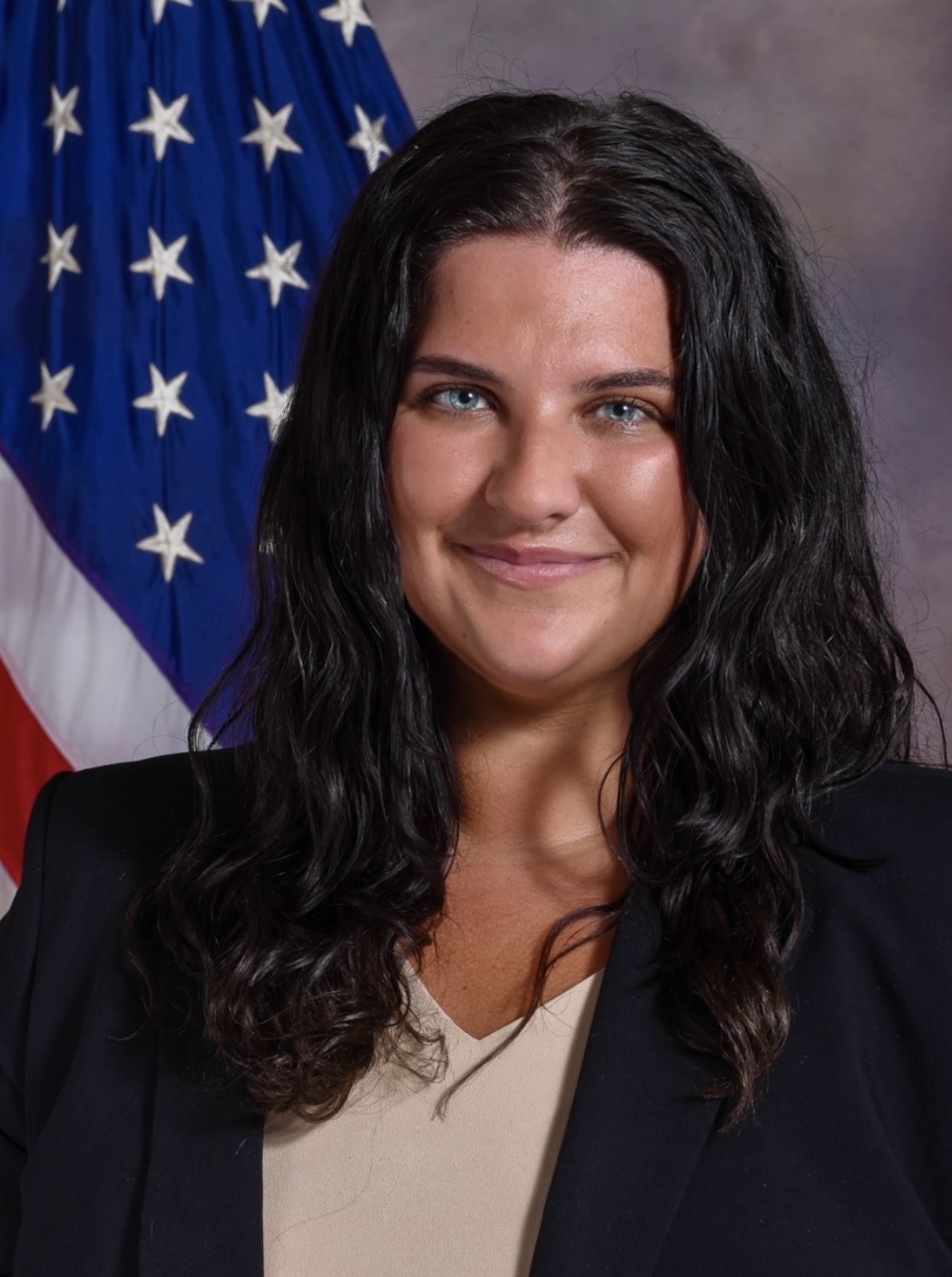 Elise Annett is an Institutional Research Associate at the National Defense University. She is a doctoral candidate at Georgetown University. Her work addresses operational and ethical issues of iteratively autonomous AI systems in military use.
 Dr. Diane DiEuliis is Distinguished Research Fellow of the Center for the Study of Weapons of Mass Destruction of the Institute for National Strategic Studies at the National Defense University.
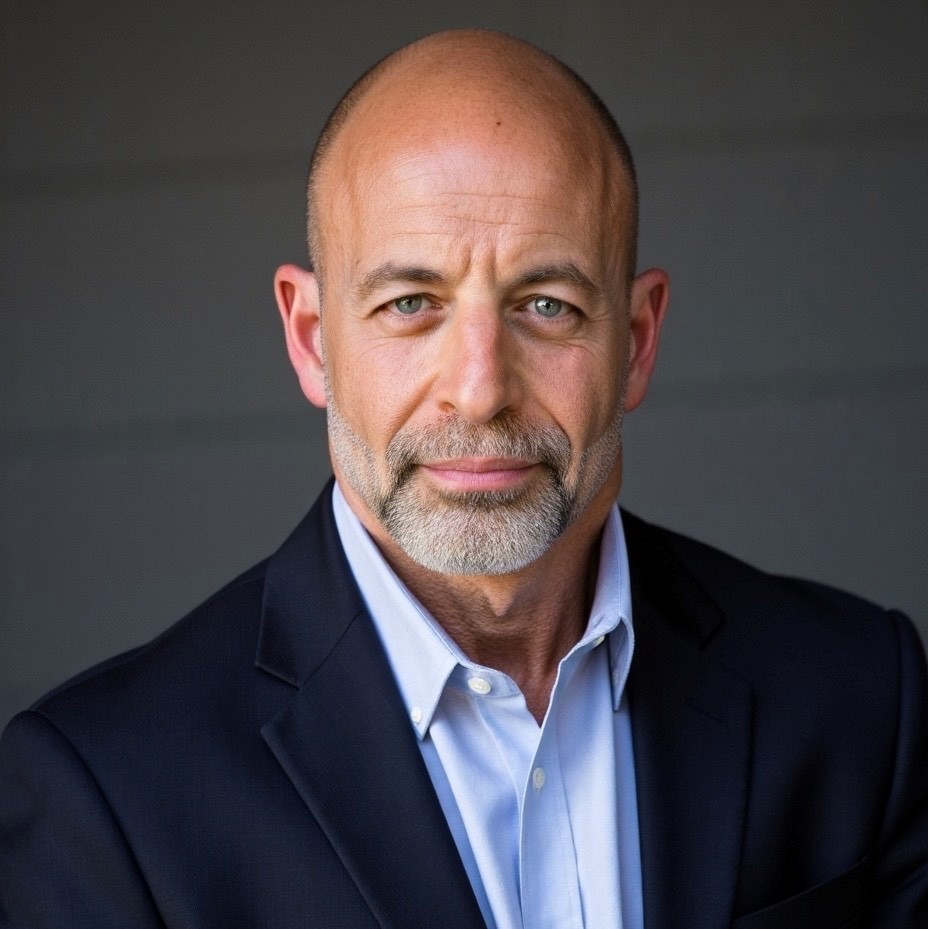 Dr. James Giordano is Director of the Center for Disruptive Technology and Future Warfare of the Institute for National Strategic Studies at the National Defense University.